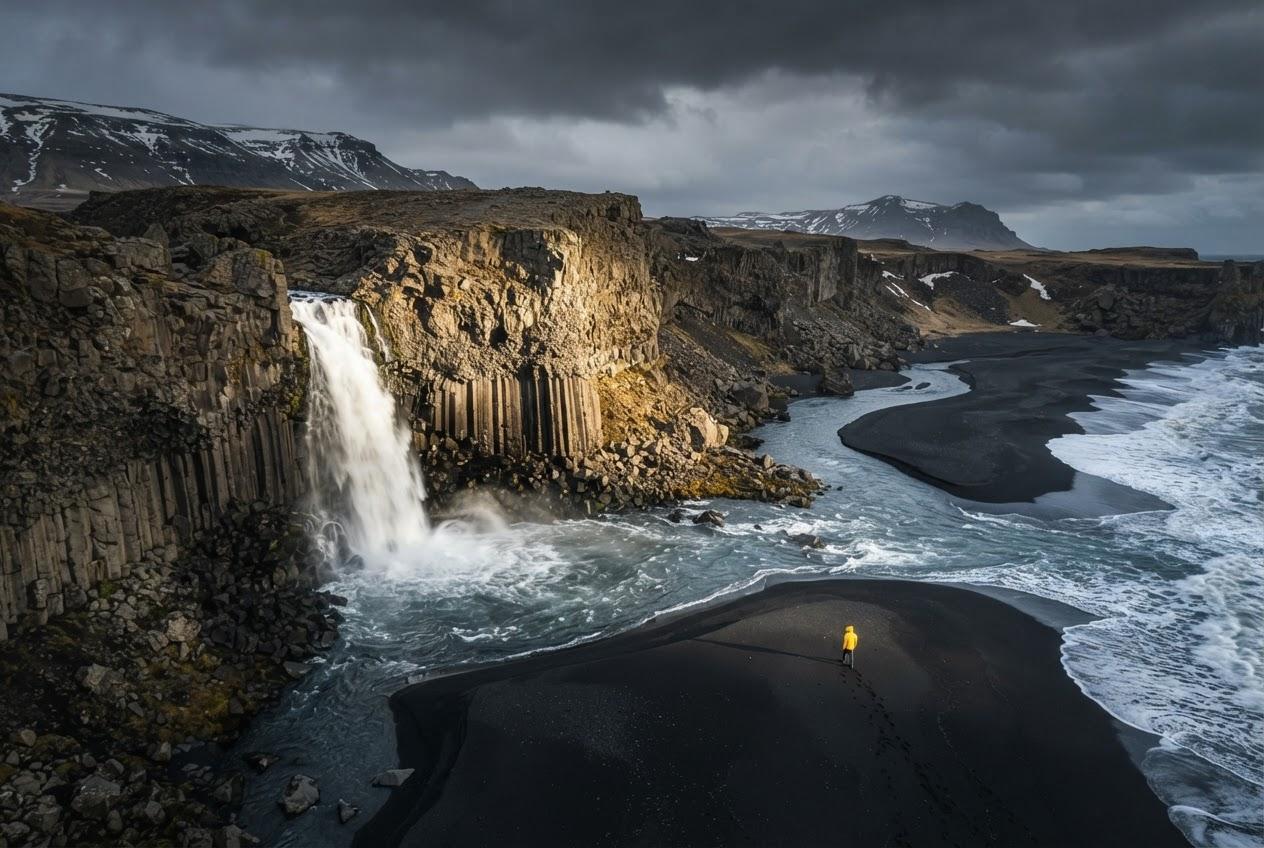
You can't do all of Iceland in three days. You can do an extraordinary slice of it. Here's the loop we'd drive again tomorrow.
This is the part most people skip past in the brochure. The bit about getting up at midnight, putting one foot in front of the other for hours, and deciding whether you're actually having a good time. We went out to Iceland to find out what it's really like — not the highlight reel, the middle of it.
What It Actually Involves
You'll hear a lot of confident advice before you go. Most of it is reasonable. Some of it is people who did it once, badly, and have been telling the story ever since. Here's what we found mattered.
- The first two days are genuinely easy. Don't read anything into them.
- Pole, pole — slowly, slowly — is not a slogan. Walk slower than feels reasonable and you'll buy yourself the summit night.
- Hydration matters more than fitness. Drink before you're thirsty, every single time.
- Your guide's opinion of your chances is more accurate than your own.
The Moment It Gets Real
Somewhere around midnight on summit night, the headtorch line snakes up the scree and the wind finds every gap in your layers. This is the part the photos never quite capture — the slow, cold, repetitive work of gaining altitude when every step costs you something.
You don't summit on the top. You summit on the decision you made three months ago to keep training when it was raining.— A guide who's done it 140 times
Is It Worth It
Yes, with a caveat. Iceland in Three Days: The Drive That Has Everything is not a holiday and it shouldn't be sold as one. It's a hard, slow, occasionally miserable thing that turns into one of the best stories you'll ever own. Go prepared, go honest about your fitness, and go with operators who've actually done it.
Worth knowing: The companies that get you up safely are rarely the cheapest and never the loudest. Ask how often they turn people around. A high turnaround number is a good sign, not a bad one.
What You'll Wish You'd Packed
- A second pair of warm gloves. Always two pairs.
- Snacks you'll actually eat at 4,000m. Everything tastes different up there.
- A buff you can pull over your mouth to warm the air you breathe.
- Plastic bags for wet kit. Your tent will smell otherwise.
You'll come down tired, a little lighter, and unwilling to shut up about it for about six months. That's the sign it was worth the flight.

Written by
Mara Ellison
Adventure & Mountaineering
Mara has summited five of the Seven Summits and spent a decade guiding in the Cascades before trading ice axes for a notebook. She writes about what high-altitude adventure actually feels like — and how to know when you're ready for it.
More like this
Keep Going
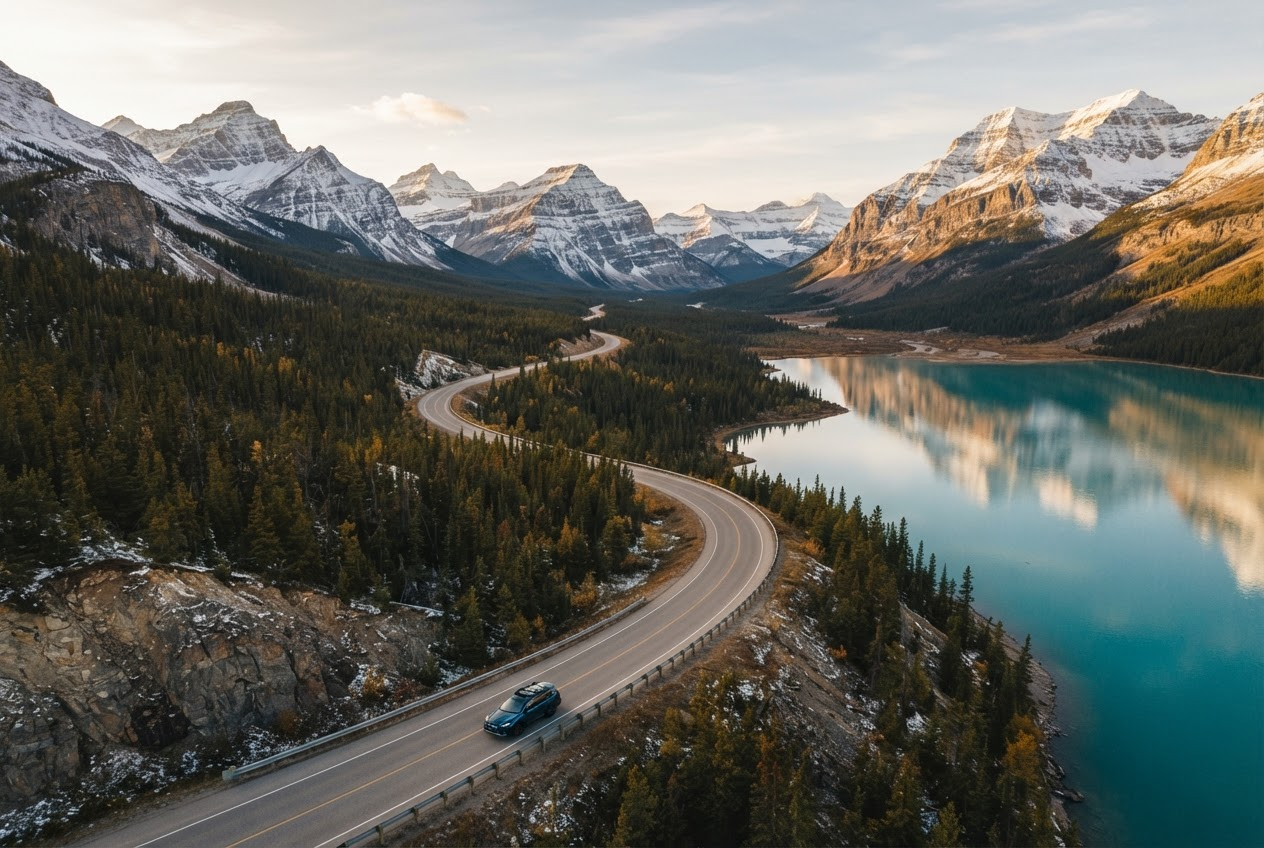
Driving the Icefields Parkway: The Stops Actually Worth Making
232 kilometres of road between Lake Louise and Jasper, and most people blow through it in an afternoon. Here's where to actually stop.
Alberta, Canada
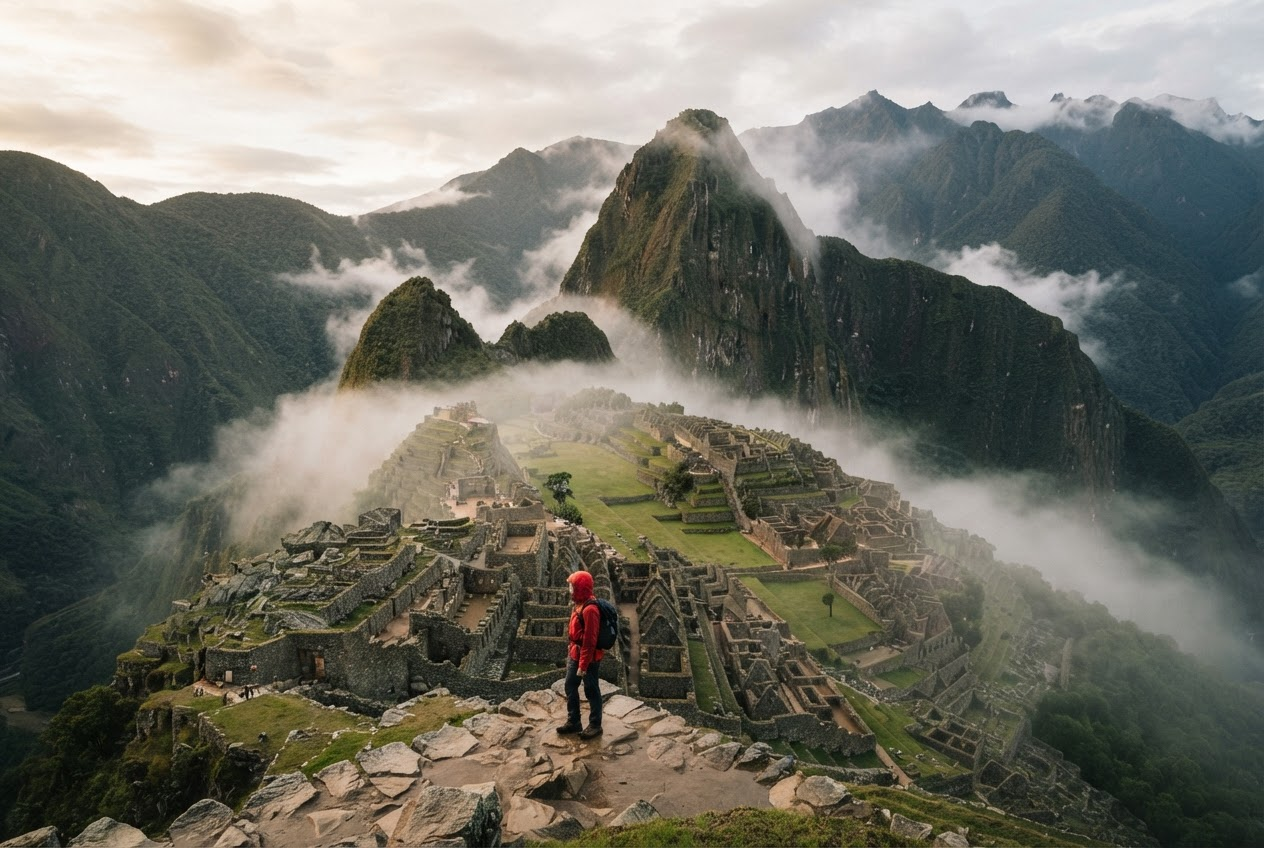
Hiking to Machu Picchu: Which Route Should You Take?
The Inca Trail gets the fame. The Salkantay gets the views. The Lodge Trek gets the hot showers. We compared all four so you don't have to.
Peru
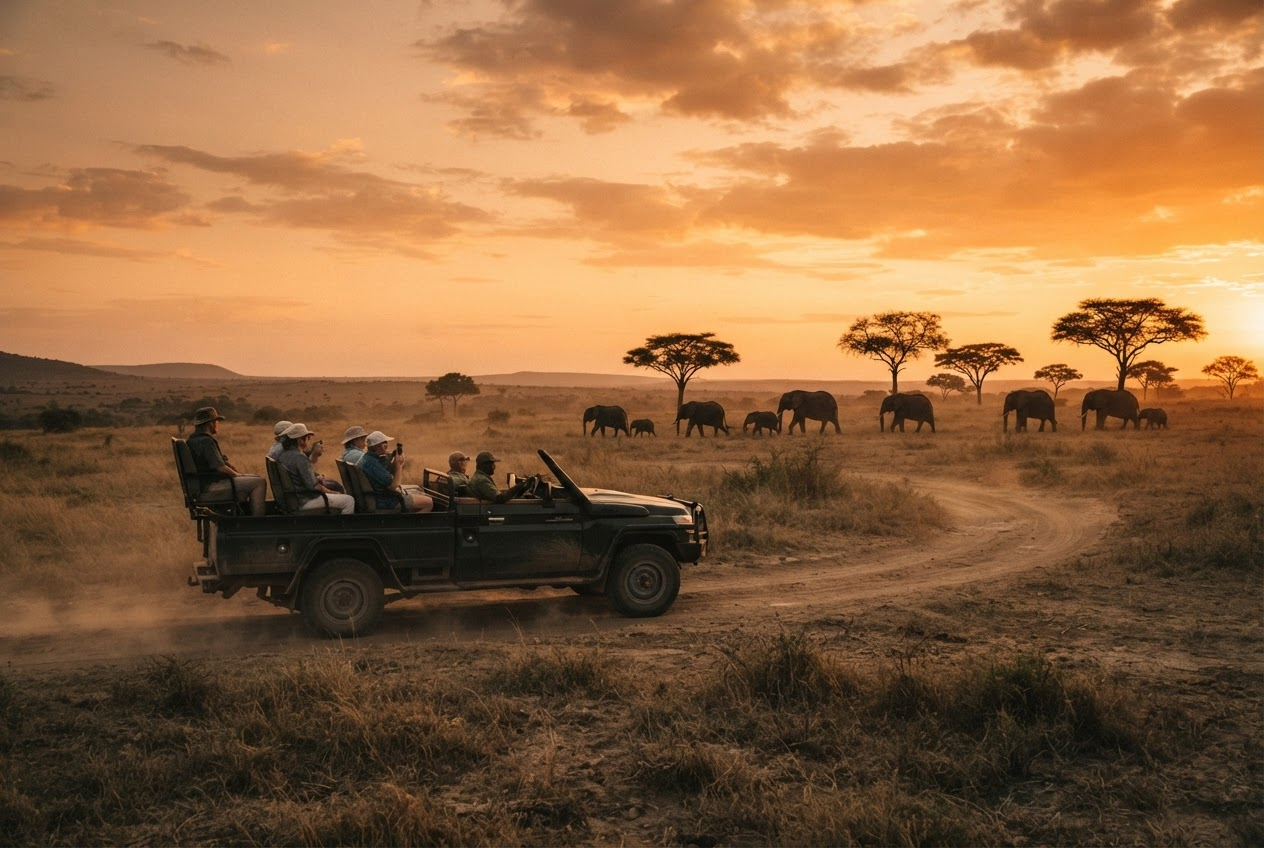
An African Safari: How to Actually Plan One
The difference between a safari you remember forever and one that feels like a bus tour is almost entirely in the planning. Here's how.
Tanzania