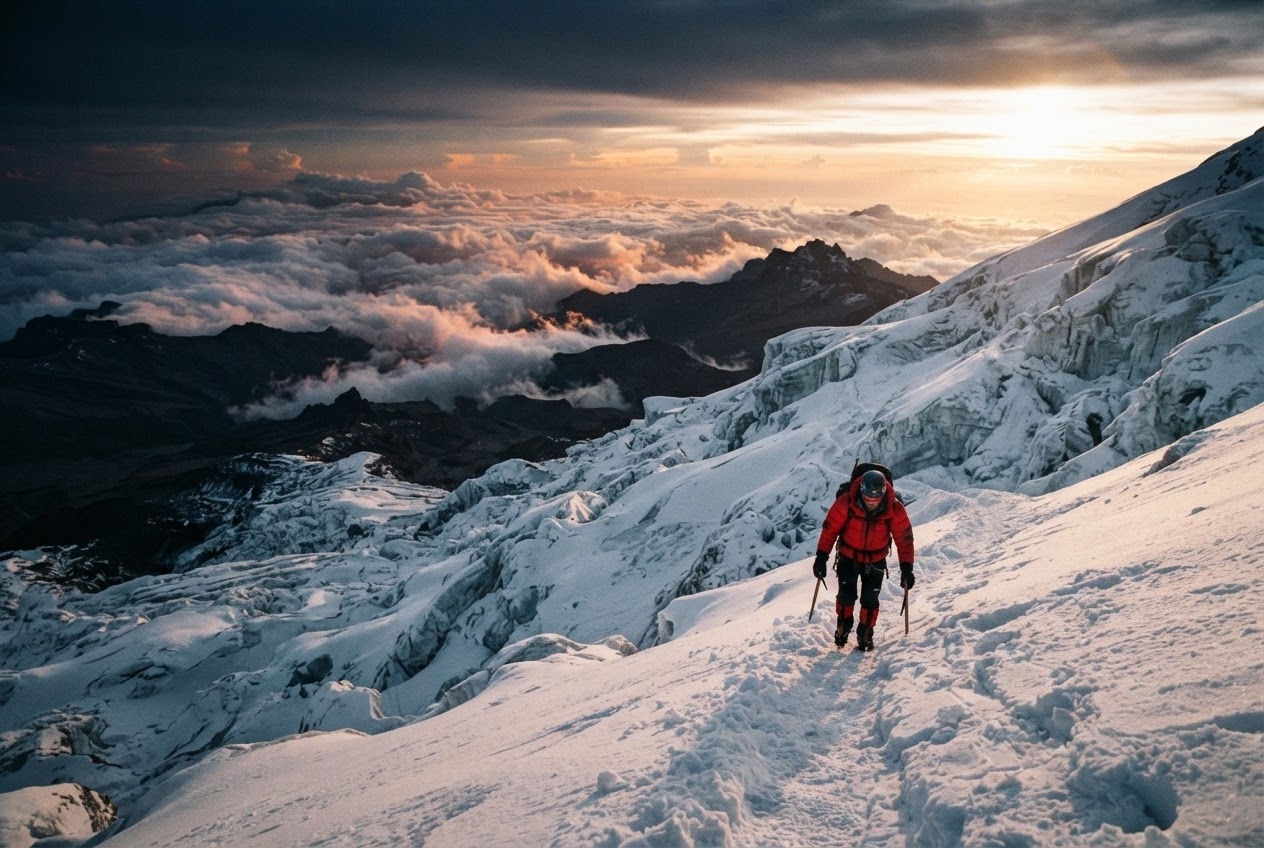
Six days, 5,895 metres, and one very slow walk in the dark. Here's what climbing Kilimanjaro is actually like — the altitude, the food, the cold, and the moment you stop pretending it's fun.
The first thing nobody tells you about Kilimanjaro is that the start is almost disappointing. You begin in a rainforest. It's warm, it's green, the path is a gentle dirt track, and your guide is telling jokes. You will think, for about four hours, that you've overprepared.
Then you climb. Over five days you walk through four seasons. Forest turns to heath, heath to alpine desert, desert to a landscape that looks like the moon if the moon had a bad mood. By the time you reach base camp you're sleeping at 4,600m and the sky at night is a thing you will bring up in conversations for years.
Summit Night
This is the part every account centres on, and for good reason. You wake at 11pm. You put on every piece of clothing you brought. You walk.
The route from base camp to Uhuru Peak is roughly six kilometres. It takes between six and eight hours. You walk slowly because walking fast at that altitude is genuinely dangerous, and you walk slowly because your body has run out of easier options. The headtorches stretch up the slope in a line and the only sounds are boots on scree and your own breathing.
It's the only place I've been where you can see the curve of the Earth and your own breath freezing at the same time.— Mara Ellison
The False Summit Problem
Stella Point is not the summit. It is, however, the moment most people cry. You can see it from below, lit by torches, and it takes hours to reach. When you arrive you're allowed to sit down. Then someone tells you there's still 45 minutes to Uhuru Peak.
Those 45 minutes are along the crater rim. They're slow but they're not steep, and the sun is coming up. The glaciers are right there. If there's a moment worth the whole trip, it's this one.
What It Costs — In More Ways Than One
A guided seven-day route runs roughly $2,000–$3,500 USD depending on the operator and the route. The Lemosho and Machame routes give you the best acclimatisation profile; the cheaper, shorter routes have markedly lower summit success rates.
| Route | Days | Success Rate | Best For |
|---|---|---|---|
| Lemosho | 8 | ~90% | Acclimatisation, scenery |
| Machame | 7 | ~85% | Most people |
| Marangu | 5 | ~60% | Budget — not recommended |
The Operators Question
Tanzania has strict rules about guiding on Kili — you cannot climb unguided, and porters' wages and conditions are regulated. This is a good thing. It also means that the difference between operators is less about safety and more about food, group size, and how honestly they talk to you about your chances before summit night.
Turn it around: Ask any operator you're considering how often they turn clients around before the summit. The best operators turn people around more often, not less. A 100% summit rate is a red flag, not a selling point.
So — Should You
If you can walk for six hours with a daypack, you can probably climb Kilimanjaro. You don't need to be a mountaineer. You need to be honest about the training, patient on the mountain, and willing to listen to the person whose job is to keep you alive.
It is not a holiday. It is one of the best things you will ever do.

Written by
Mara Ellison
Adventure & Mountaineering
Mara has summited five of the Seven Summits and spent a decade guiding in the Cascades before trading ice axes for a notebook. She writes about what high-altitude adventure actually feels like — and how to know when you're ready for it.
More like this
Keep Going
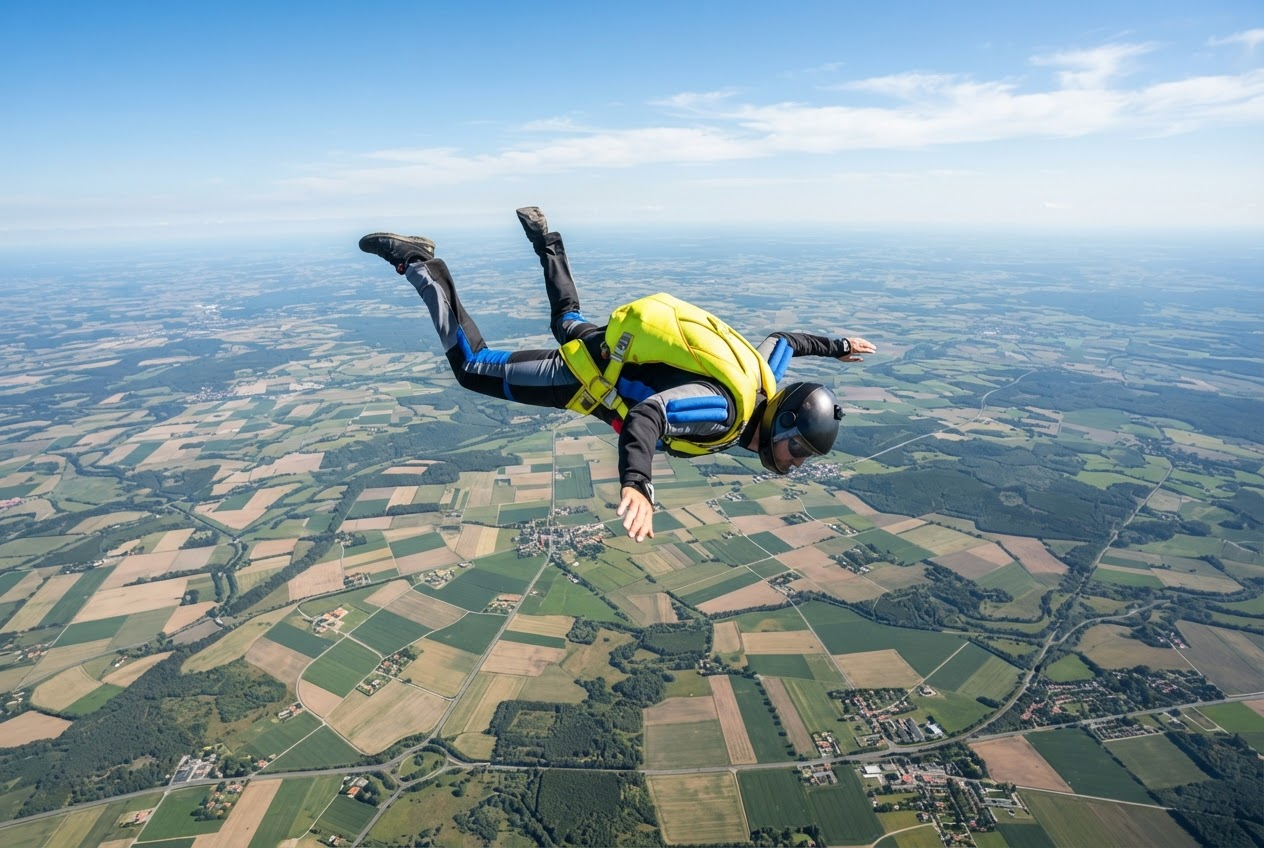
Is Skydiving Worth It?
We asked everyone who'd done it the same question. The answers were less about adrenaline and more about what happens after your feet leave the plane.
New Zealand
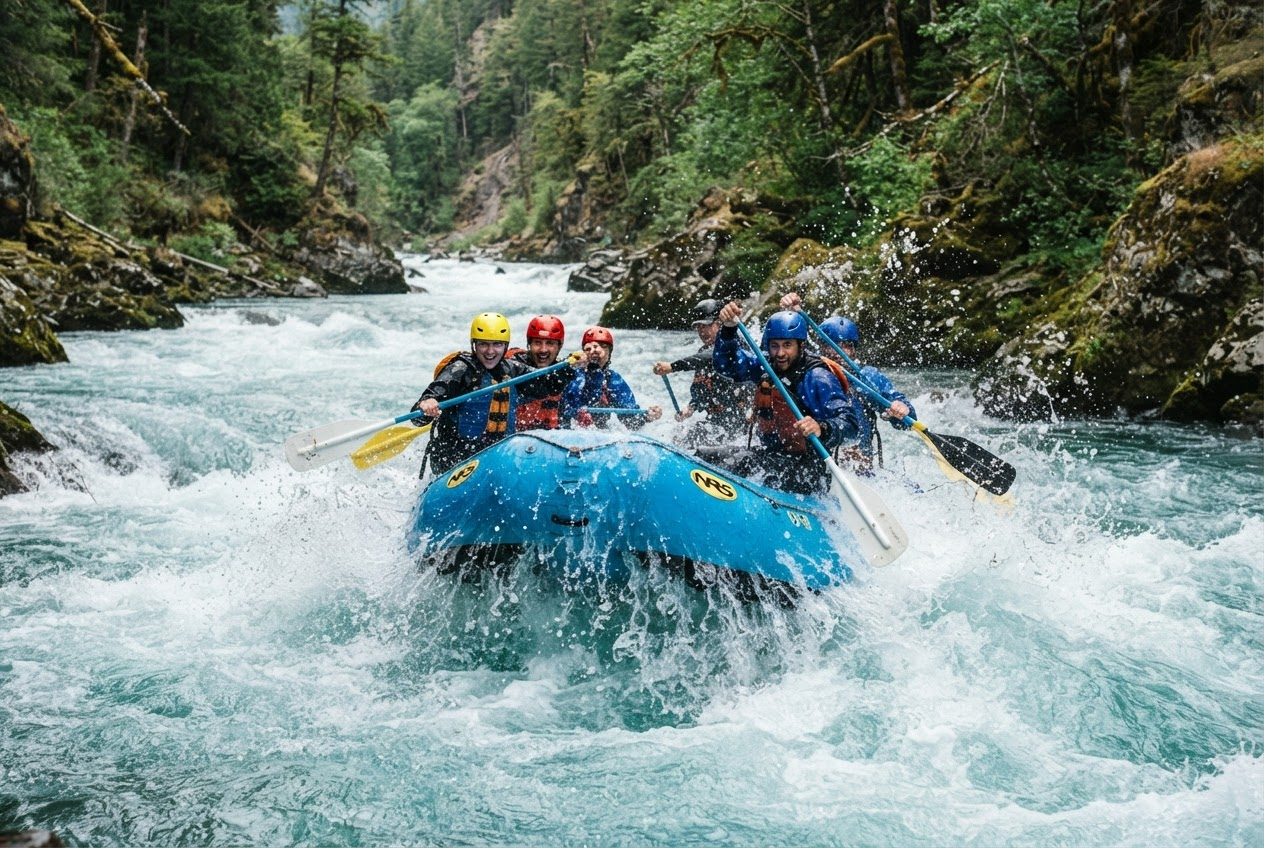
The Best Places to Go Whitewater Rafting in Canada
From the big-water classics of the Kicking Horse to the remote multi-day runs on the Nahanni, here's where to actually go.
British Columbia, Canada
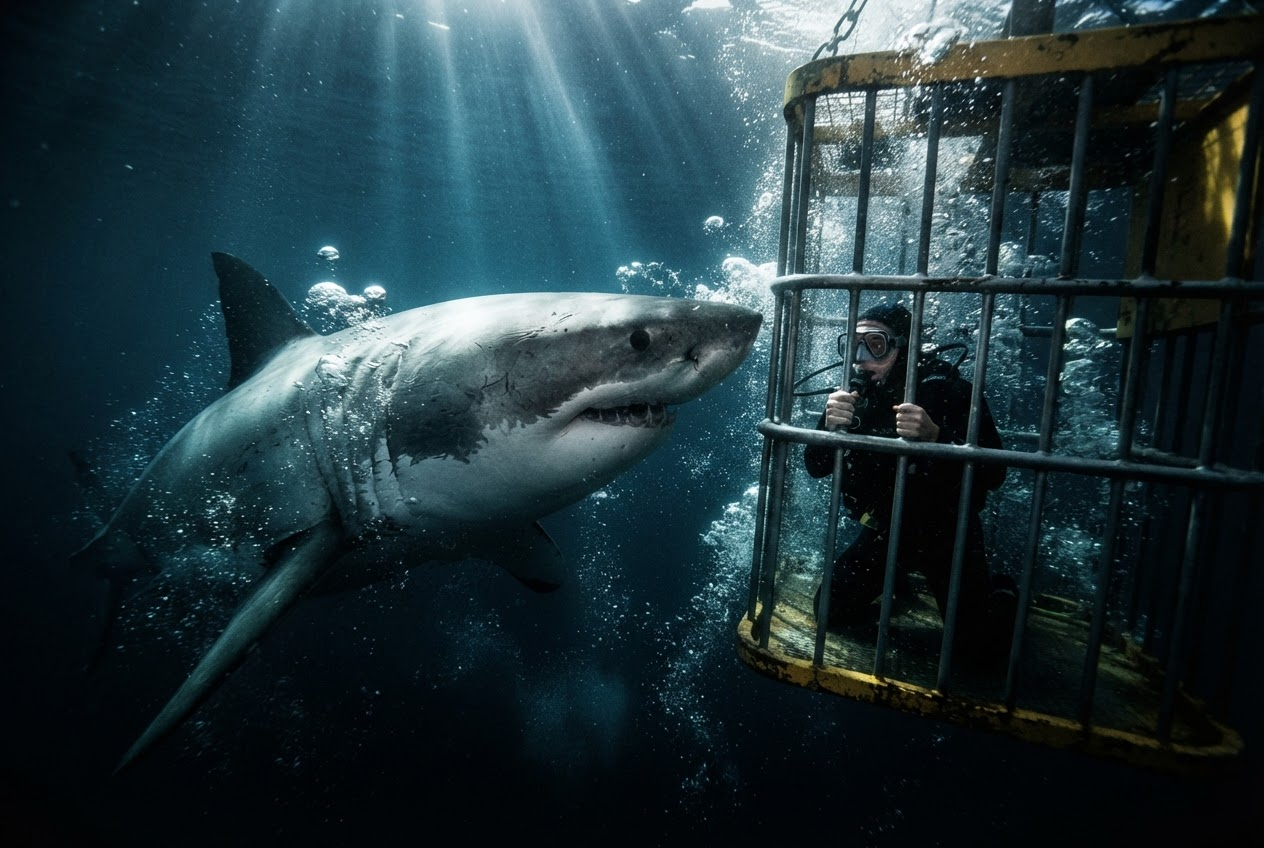
What It's Like to Go Cage Diving With Great White Sharks
You're in a cage. The water is 12°C. The shark is bigger than the cage. Here's what cage diving is actually like — and whether to bother.
Gansbaai, South Africa